There is a quiet awareness growing beneath the surface of modern life. People are beginning to notice how much constant movement, noise, and urgency shape the way they feel. Days pass quickly, notifications pile up, and even moments meant for rest often feel rushed. Over time, this pace becomes normal, even when it does not feel good.
Calm, then, becomes something people crave rather than expect. It is not something that appears naturally anymore. It must be chosen, protected, and intentionally created.
Soft Calm Living exists within this awareness. It is rooted in the idea that how we design our environments, structure our days, and move through our routines directly influences our sense of ease. Calm is not accidental. It is built through small, thoughtful decisions that support clarity and steadiness.
Why Calm Feels So Necessary
Life today rewards speed. Faster responses, faster decisions, faster results. While momentum has its place, constant acceleration leaves little room for reflection. The mind remains busy long after the body has slowed down, and rest begins to feel incomplete.
Calm spaces and slower rhythms offer relief from this cycle. They allow the nervous system to settle and create room for presence. When surroundings feel quiet and intentional, the mind follows.
This does not mean eliminating stimulation altogether. It means creating balance. Calm is not the absence of activity. It is the presence of grounding.
The Subtle Influence of Environment
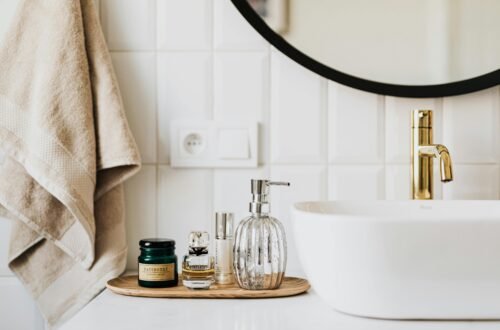
The spaces we inhabit shape our internal state more than we often realize. Light, color, texture, and openness all communicate something to the brain. When a space feels cluttered or chaotic, the body reacts with subtle tension. When it feels soft and open, the body releases.
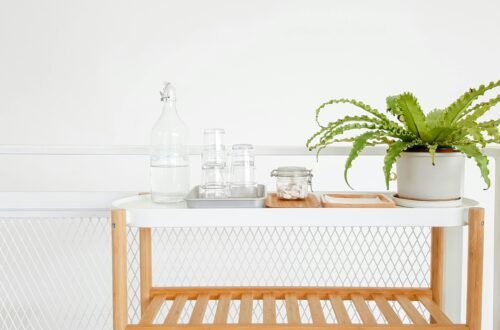
A calm environment does not demand attention. It welcomes it gently. Neutral tones, natural light, and uncluttered surfaces allow the eyes to rest. There is nothing to process quickly or react to. Everything feels intentional.
This sense of ease carries beyond the physical space. It influences mood, patience, and the way decisions are made throughout the day.
Slowing Down Without Falling Behind
One of the most common fears surrounding a calmer lifestyle is the idea of falling behind. Productivity culture has taught many people that rest must be earned and that slowing down is a weakness. In reality, constant urgency often leads to burnout, not progress.
Choosing a slower pace does not mean doing less. It means doing things with intention. When mornings begin quietly and evenings are allowed to unwind naturally, the day feels more complete. Focus improves. Energy becomes steadier. Decisions feel less reactive.
Slowing down is not avoidance. It is awareness.
Calm as a Daily Practice
Calm is not something achieved once and kept forever. It is a practice shaped by everyday choices. Small rituals play a powerful role in this process. Lighting a candle in the evening. Opening the windows in the morning. Sitting with a warm drink without reaching for a phone.
These moments do not need to be elaborate to be meaningful. Their value comes from consistency rather than scale. Over time, they become anchors in the day, reminders to pause and reset.
When calm is practiced regularly, it becomes familiar rather than fleeting.
Conclusion
Choosing calm is rarely about changing everything at once. More often, it begins with noticing. Noticing when life feels rushed. Noticing which spaces feel grounding and which feel draining. Noticing how small moments of quiet affect the way the day unfolds.
A calmer life does not ask for perfection or constant stillness. It allows movement while encouraging intention. It creates room for rest without guilt and progress without pressure. Over time, this balance becomes less of an effort and more of a way of being.
Soft Calm Living is a reflection of this approach. A reminder that calm is not something reserved for special moments or distant goals. It can exist in the everyday, shaped through small, thoughtful choices that support clarity, ease, and presence.
In a world that rarely slows down, choosing calm is not passive. It is deliberate. And it is always worth returning to.
Want more cozy living tips? Sign up below to get updates straight to your inbox